
 English
 Español
 Portugues
 Pусский
 Deutsch
 한국어
한국어 العربية
 Italiano
 Svenska
 Polski
 ไทย
ไทย Türk dili
 हिन्दी
 Tiếng Việt
 中文
中文 dansk
dansk қазақ
қазақ বাংলা
বাংলা فارسی
فارسی українська
 беларускі
 Suomalainen
 o'zbek
 Србија
 پښتو
پښتو საქართველოს
 Shqipëria
 Afrikaans
 Kikongo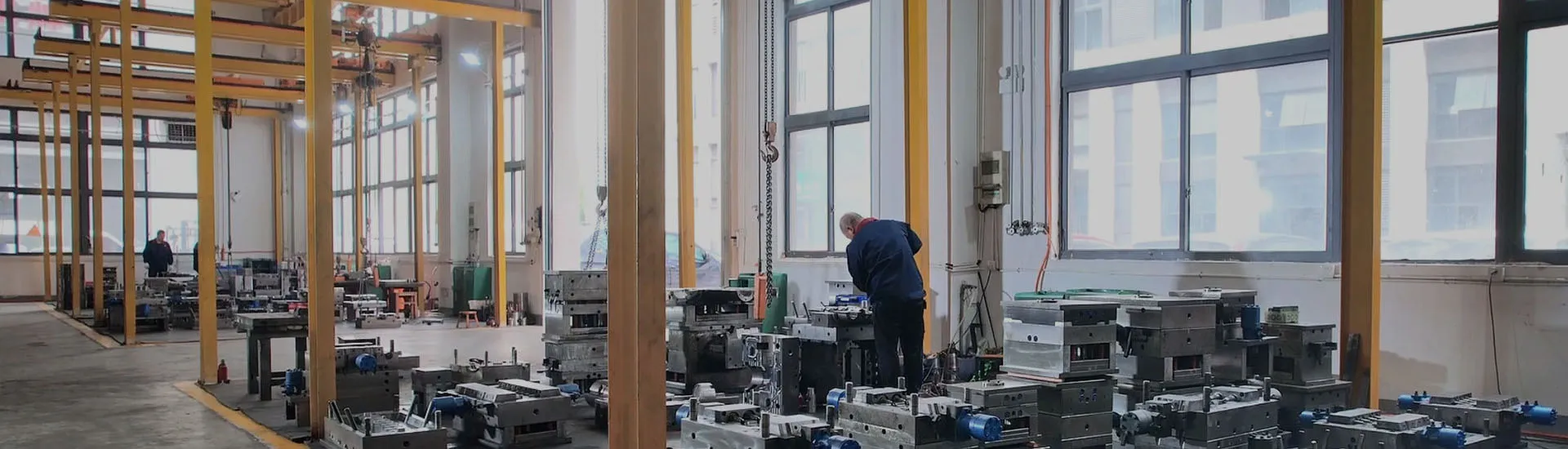
Moule de raccord de tuyau en plastique
Plastic Pipe Fitting Mould: Design, Manufacturing, and Applications Plastic pipe fitting moulds are specialized tools used in the injection moulding process to produce precise and durable pipe fittings for plumbing, irrigation, and industrial fluid systems. These fittings include elbows, tees, couplings, reducers, and valves, which are essential for connecting and directing pipelines. The moulds must meet high standards of accuracy, durability, and efficiency to ensure consistent production of leak-proof, dimensionally stable fittings. Design and Engineering The design of plastic pipe fitting moulds requires careful consideration of material flow, cooling efficiency, and part ejection. CAD/CAM software is used to create 3D models, ensuring tight tolerances and smooth internal surfaces to prevent flow resistance. The mould typically consists of a core and cavity, ejector pins, cooling channels, and venting systems to avoid air traps. Multi-cavity designs are common for high-volume production, while hot runner systems minimize material waste. Material Selection Moulds are typically made from hardened steel or aluminum, depending on production volume and cost considerations. Steel moulds offer superior durability for long-term use, while aluminum moulds are lighter and more cost-effective for prototyping or short runs. The plastic materials used for fittings—such as PVC, CPVC, PP, or PEX—require moulds that can withstand high temperatures and corrosive additives. Manufacturing Process Precision machining techniques like CNC milling, EDM (electrical discharge machining), and grinding ensure the mould components fit perfectly. After assembly, rigorous testing is conducted to verify dimensional accuracy and functionality. Injection moulding parameters—such as temperature, pressure, and cooling time—are optimized to prevent defects like warping or sink marks. Quality and Performance A well-designed mould ensures consistent part quality, reducing post-processing needs. Critical features like sealing surfaces and thread profiles must be defect-free to maintain pressure resistance. Mould maintenance, including regular cleaning and lubrication, extends tool life and prevents production delays. Applications Plastic pipe fitting moulds serve industries such as construction, agriculture, chemical processing, and HVAC. Their ability to produce lightweight, corrosion-resistant fittings makes them preferable to metal alternatives in many applications. Conclusion Plastic pipe fitting moulds are vital for manufacturing reliable, high-performance fittings. Their design, material selection, and precision manufacturing directly impact product quality and production efficiency. As demand for sustainable and cost-effective piping solutions grows, advancements in mould technology continue to drive innovation in the industry. (Word count: 500)
Produit
Catégorie:
-
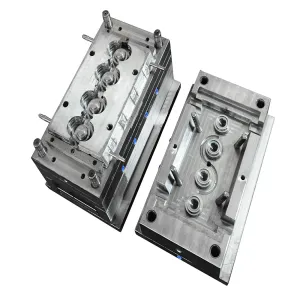
Moule de valve en plastique à bille
Leur classification: Moule de raccords de robinet à tournant sphériqueVues: 620Numéro:Temps de libération: 2025-09-17 00:25:14Spécialisé dans la fabrication de tous les moules de séries de raccords de tuyauterie : moule de raccord de tuyau de drainage en PVC, moule de raccord de tuyau d'eau froide et chaude en ppr, moule de raccord de tuyau en PE
Actualités
Catégorie:
Aucun résultat de recherche!
Affaire
Catégorie:
Aucun résultat de recherche!
Vidéo
Catégorie:
Aucun résultat de recherche!
Téléchargement
Catégorie:
Aucun résultat de recherche!
Recrutement
Catégorie:
Aucun résultat de recherche!
Produits recommandés
Aucun résultat de recherche!




 WhatsApp
 Téléphone