
 English
 Español
 Portugues
 Pусский
 Deutsch
 한국어
한국어 العربية
 Italiano
 Svenska
 Polski
 ไทย
ไทย Türk dili
 हिन्दी
 Tiếng Việt
 中文
中文 dansk
dansk қазақ
қазақ বাংলা
বাংলা فارسی
فارسی українська
 беларускі
 Suomalainen
 o'zbek
 Србија
 پښتو
پښتو საქართველოს
 Shqipëria
 Afrikaans
 Kikongo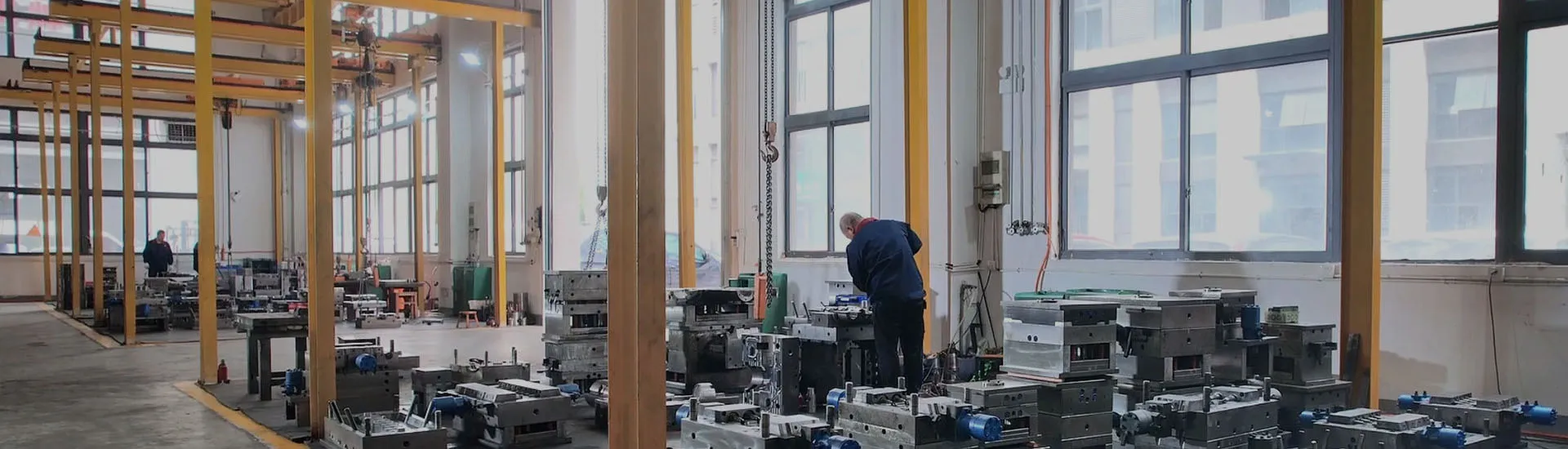
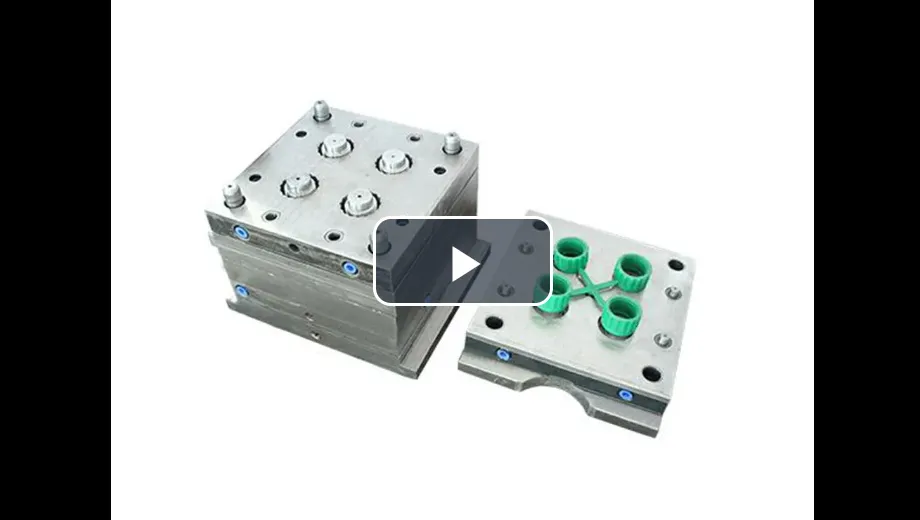
Moulage par injection d'expansion PP
PP Expansion Injection Mold: Overview and Key Features Polypropylene (PP) expansion injection molding is an advanced manufacturing process used to produce lightweight, durable, and dimensionally stable plastic parts with a foamed core structure. This technique combines traditional injection molding with controlled foaming to create components that offer excellent strength-to-weight ratios, reduced material consumption, and improved insulation properties. Process Overview The PP expansion injection molding process involves injecting molten polypropylene mixed with a foaming agent into a precision-engineered mold. As the material fills the cavity, the foaming agent decomposes, releasing gas to form a microcellular structure within the part. The outer skin remains solid, ensuring a smooth surface finish, while the interior expands, reducing weight and material usage. Key steps include: 1. Material Preparation – PP pellets are combined with a chemical or physical blowing agent. 2. Injection – The mixture is melted and injected into the mold under high pressure. 3. Foaming – The blowing agent activates, creating gas bubbles that expand the material. 4. Cooling & Ejection – The part solidifies, and the mold opens to release the finished product. Advantages of PP Expansion Molding - Lightweight Design – The foamed core significantly reduces part weight without compromising structural integrity. - Material Efficiency – Lower resin consumption lowers production costs and environmental impact. - Enhanced Properties – Improved thermal and acoustic insulation due to the porous internal structure. - Reduced Warpage – Uniform expansion minimizes internal stresses, enhancing dimensional stability. - Design Flexibility – Suitable for complex geometries, including thick-walled or large components. Applications PP expansion injection molds are widely used in industries such as automotive (door panels, dashboards), packaging (containers, lids), and consumer goods (insulated cups, furniture components). The process is ideal for applications requiring lightweight, rigid, and cost-effective plastic parts. Mold Design Considerations To achieve optimal results, mold design must account for: - Venting – Proper gas escape channels to prevent surface defects. - Cooling System – Efficient temperature control to ensure consistent foaming and part quality. - Gate Placement – Strategic injection points to facilitate even material distribution. Conclusion PP expansion injection molding is a versatile and efficient method for producing high-performance plastic parts with reduced weight and material usage. By leveraging controlled foaming technology, manufacturers can achieve superior part quality while optimizing production costs. This process continues to gain popularity in industries prioritizing sustainability and lightweight solutions.
Produit
Catégorie:
-
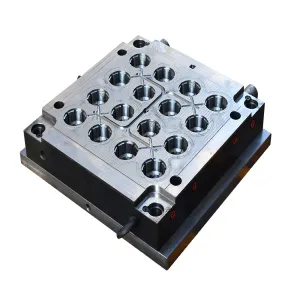
Pièces internes du moule de raccord de tuyau en plastique PP
Leur classification: Moule de raccord de tuyau en PPVues: 588Numéro:Temps de libération: 2025-09-16 23:42:28Moule de raccord de tuyau en plastique PPNom d'article : Pièces internes de moule de raccord de tuyau en plastique PPCavités: 16 cavitésMatériau : PPstructure du moule : structure du moteurAcier cavité/noyau : 2738 ou 718 pour la cavité et le noyauDureté du noyau/cavité : HRC 40-45 degrés après traitement thermique sous videMachine de moulage par injection : 380T Taizhou Huang Yanhongjin plastique LD1. Spécialisés dans la fabrication de moules en plastique, les produits comprennent : PPR PVC PP PE et autres moules pour tuyaux, moules pour nécessités quotidiennes, moules pour boîtes de chiffre... -
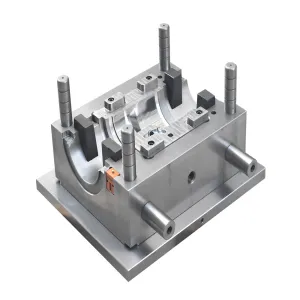
Moule de raccord de tuyau d'injection pliable en PP
Leur classification: Moule de raccord de tuyau évaséVues: 618Numéro:Temps de libération: 2025-09-17 00:19:56Moule de raccord de tuyau d'injection pliable en PPNom du moule :Moule de raccord de tuyau d'injection pliable en PPCavité : 1 cavitésTaille du moule: 160 mmAcier de moule : Allemagne2316 Chine2316 ou4cr13 pour la cavité et le noyau Portail : portail directstructure du moule: cylindre d'huileDureté du noyau/cavité : HRC 40-45°après traitement thermique sous videPresse à injecter : 400T Taizhou Huangyan Hong Jin mold Co., Ltd a été créée en 2002. Nous sommes professionnels dans la conception et la fabrication de moules pour raccords de tuyauterie depuis plus de 23 ans.Nous nous réjouissons d’un...
Actualités
Catégorie:
-
[industry news]Saviez-vous que la température a un impact sur le moulage pa...
2024-06-27 11:47:24
Affaire
Catégorie:
Vidéo
Catégorie:
Téléchargement
Catégorie:
Aucun résultat de recherche!
Recrutement
Catégorie:
Aucun résultat de recherche!
Produits recommandés
Aucun résultat de recherche!




 WhatsApp
 Téléphone