
 English
 Español
 Portugues
 Pусский
 Deutsch
 한국어
한국어 العربية
 Italiano
 Svenska
 Polski
 ไทย
ไทย Türk dili
 हिन्दी
 Tiếng Việt
 中文
中文 dansk
dansk қазақ
қазақ বাংলা
বাংলা فارسی
فارسی українська
 беларускі
 Suomalainen
 o'zbek
 Србија
 پښتو
پښتو საქართველოს
 Shqipëria
 Afrikaans
 Kikongo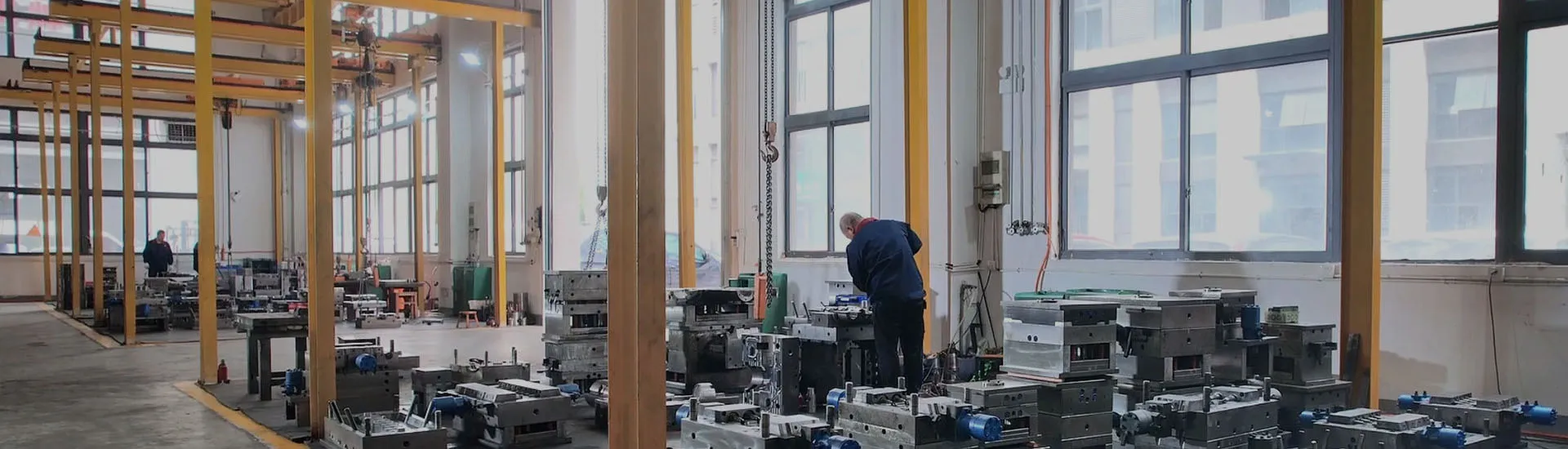
Moulage par injection en PP en U
PP U-Bend Injection Mold: Design and Manufacturing Considerations A PP (polypropylene) U-bend injection mold is a specialized tool used to produce plastic U-shaped components through the injection molding process. These parts are commonly found in plumbing, automotive, and industrial applications, where durability, chemical resistance, and flexibility are essential. The design and manufacturing of such molds require careful consideration of material properties, mold structure, and production efficiency. Material Selection Polypropylene is the preferred material for U-bend components due to its excellent chemical resistance, low density, and high impact strength. It also exhibits good fatigue resistance, making it ideal for parts subjected to repeated stress, such as pipe fittings. The mold must account for PP’s shrinkage rate (typically 1-2%) to ensure dimensional accuracy. Mold Design Considerations 1. Parting Line and Ejection – The U-bend geometry requires a well-planned parting line to avoid undercuts. Ejection pins or sleeves must be strategically placed to prevent deformation during demolding. 2. Cooling System – Efficient cooling channels are critical to reduce cycle time and prevent warping, especially in thicker sections of the U-bend. 3. Gate Location – A properly positioned gate (e.g., edge or submarine gate) ensures uniform material flow and minimizes weld lines, which could weaken the part. 4. Venting – Adequate venting prevents gas traps that could cause burn marks or incomplete filling. Manufacturing Process The mold is typically CNC-machined from hardened steel or aluminum, depending on production volume. High-precision machining ensures smooth surfaces and tight tolerances. After fabrication, the mold undergoes rigorous testing to optimize injection parameters such as temperature, pressure, and cooling time. Challenges and Solutions - Warpage – Uneven cooling can distort the U-bend. Solution: Optimize cooling channels and use conformal cooling if necessary. - Sink Marks – Thick sections may shrink unevenly. Solution: Adjust holding pressure and packing time. - Flash – Poor mold clamping can lead to excess material. Solution: Ensure proper mold alignment and clamping force. Conclusion A well-designed PP U-bend injection mold balances material properties, mold geometry, and process parameters to produce high-quality, consistent parts. By addressing key factors such as cooling, gating, and ejection, manufacturers can achieve efficient production with minimal defects. This makes PP U-bend molds a reliable solution for industries requiring durable and precise plastic components.
Produit
Catégorie:
Moule de raccord de tuyau fileté en laiton
-
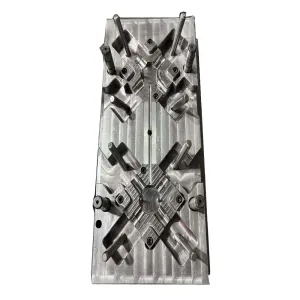
Moule de raccord de tuyau de boîte électrique UPVC
Leur classification: Moule de raccord de tuyau UPVCVues: 499Numéro:Temps de libération: 2025-11-13 21:51:00Moule de raccord de tuyau de boîte électrique UPVCNom du moule :Moule de raccord de tuyau de boîte électrique UPVCCavité : 2 cavitésTaille du moule: 25mmAcier de moule : Allemagne 2316 Chine 2316 ou 4cr13 pour la cavité et le noyauPortail : portail directStructure du moule : broche d'angle et structure de curseurDureté du noyau/cavité : HRC 40-45°degré après traitement thermique sous videPresse à injecter : 250 T 1、 Exigences relatives aux caractéristiques des matériaux UPVC pour le système de démoulageAvant de concevoir un système de démoulage, il est nécessaire de comprendre les propriété...
Actualités
Catégorie:
-
[Company News]Customer Photo
2025-12-09 21:31:58
Affaire
Catégorie:
Aucun résultat de recherche!
Vidéo
Catégorie:
Aucun résultat de recherche!
Téléchargement
Catégorie:
Aucun résultat de recherche!
Recrutement
Catégorie:
Aucun résultat de recherche!
Produits recommandés
Aucun résultat de recherche!




 WhatsApp
 Téléphone