
 English
 Español
 Portugues
 Pусский
 Deutsch
 한국어
한국어 العربية
 Italiano
 Svenska
 Polski
 ไทย
ไทย Türk dili
 हिन्दी
 Tiếng Việt
 中文
中文 dansk
dansk қазақ
қазақ বাংলা
বাংলা فارسی
فارسی українська
 беларускі
 Suomalainen
 o'zbek
 Србија
 پښتو
پښتو საქართველოს
 Shqipëria
 Afrikaans
 Kikongo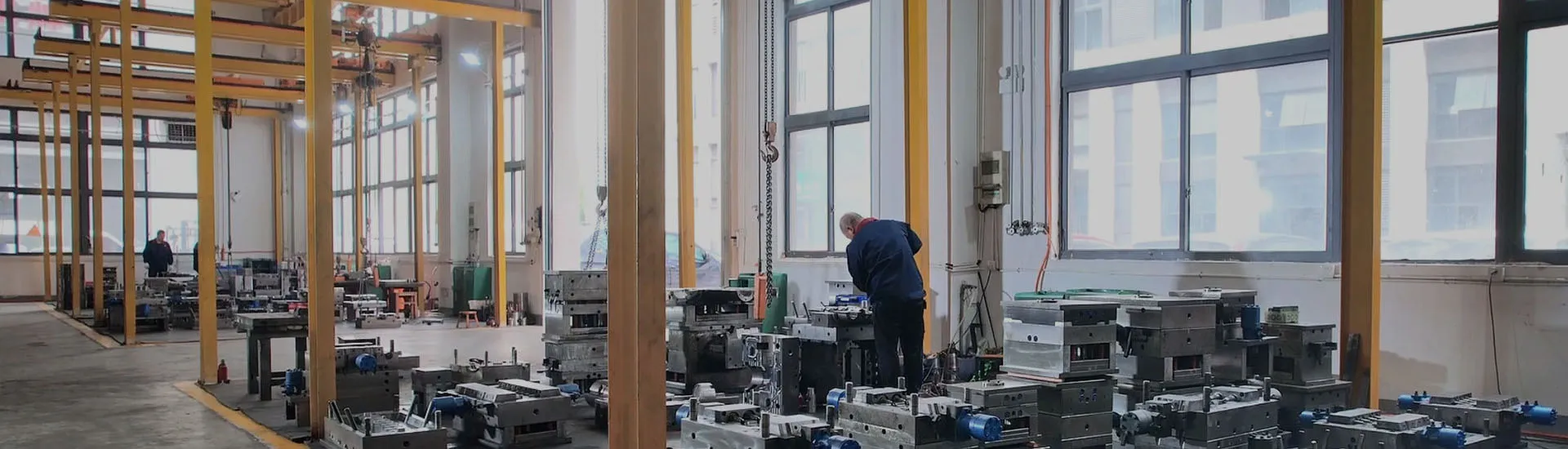
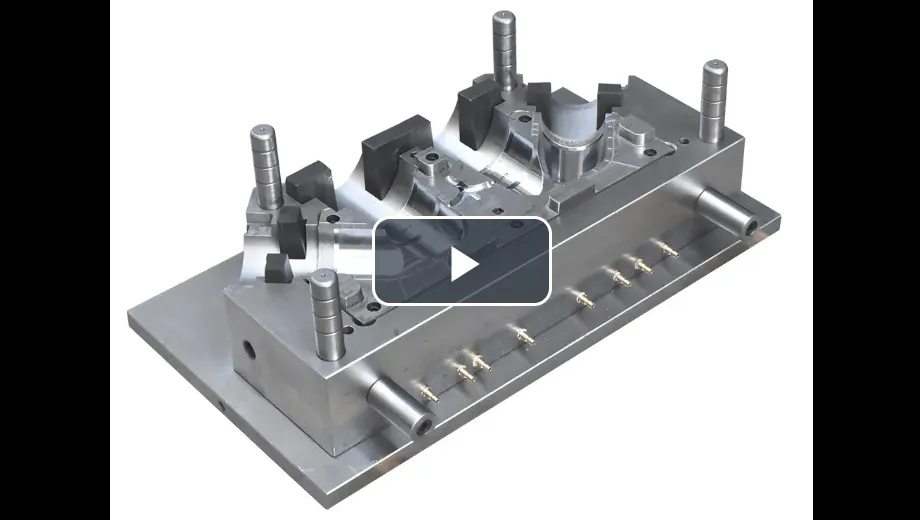
Moule à trois voies
Three-Way Mold: A Versatile Solution for Complex Manufacturing The three-way mold is an advanced tooling system designed to address complex manufacturing challenges, particularly in industries requiring intricate part geometries, undercuts, or multi-directional features. Unlike traditional two-way molds that open and close along a single axis, the three-way mold incorporates additional side actions or lifters, enabling the production of components with complex shapes that would otherwise be impossible or costly to manufacture. Design and Functionality A three-way mold operates by utilizing three distinct movement directions: the primary vertical opening/closing motion and two secondary lateral movements (typically horizontal or angular). These additional movements are controlled by sliders, cams, or hydraulic/pneumatic mechanisms, allowing the mold to release parts with undercuts or internal features without damaging the component. Key components of a three-way mold include: - Core and Cavity: The primary mold halves that form the part’s main shape. - Sliders or Side Actions: Movable inserts that retract laterally to release undercuts. - Lifters: Angled or vertical mechanisms that help eject complex features. - Ejection System: Standard ejector pins or plates that push the finished part out. Applications Three-way molds are widely used in industries such as: - Automotive: For producing dashboards, connectors, and housings with intricate internal structures. - Consumer Electronics: For molding smartphone cases, buttons, or connectors with side openings. - Medical Devices: For manufacturing components with precise undercuts or multi-directional channels. Advantages 1. Complex Geometry Handling: Enables the production of parts with undercuts, threads, or side holes without secondary machining. 2. Cost Efficiency: Reduces post-processing steps, lowering labor and material waste. 3. Precision and Consistency: Ensures high repeatability for mass production. 4. Material Flexibility: Compatible with plastics, rubbers, and composite materials. Challenges - Higher Initial Cost: More complex than standard molds due to additional mechanisms. - Maintenance Requirements: Sliders and lifters need regular inspection to prevent wear. - Design Complexity: Requires advanced CAD/CAM expertise to ensure proper alignment and function. Conclusion The three-way mold is a critical innovation in modern manufacturing, offering unparalleled flexibility for complex part production. While it demands higher upfront investment and expertise, its ability to streamline production and enhance design possibilities makes it indispensable for high-precision industries. As manufacturing evolves, three-way molds will continue to play a pivotal role in pushing the boundaries of what’s achievable in injection molding and beyond.
Produit
Catégorie:
-
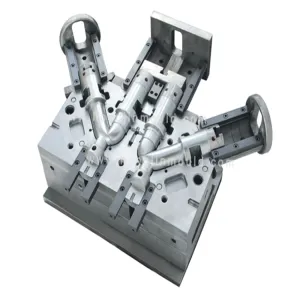
Coude en PVC avec moule de raccord de tuyau de porte
Leur classification: Moule de raccord de tuyau en PVCVues: 503Numéro:Temps de libération: 2025-11-13 21:12:29Coude en PVC avec moule de raccord de tuyau de porteNom du moule :Coude en PVC avec moule de raccord de tuyau de porteCavité : 2 cavitésTaille du moule: 75mmAcier de moule : Allemagne2316 Chine2316 ou4cr13 pour la cavité et le noyauPortail : portail directstructure du moule: cylindre d'huileDureté du noyau/cavité : HRC 40-45°degré après traitement thermique sous videPresse à injecter : 380 T Coude en PVC avec problème de moule de raccord de tuyau de porte et la solution1. Manque de matériau : le phénomène selon lequel le moule ne peut pas être rempli se produit souvent lors du processus d'inj...
Actualités
Catégorie:
-
[industry news]Explorer les avantages des moules de raccords de tuyauterie...
2024-08-28 11:49:29
Affaire
Catégorie:

Vidéo
Catégorie:
Téléchargement
Catégorie:
Aucun résultat de recherche!
Recrutement
Catégorie:
Aucun résultat de recherche!
Produits recommandés
Aucun résultat de recherche!




 WhatsApp
 Téléphone